If you are designing a Malibu beach home with rental income in mind, style alone is not enough. Vacation guests want a home that feels easy, comfortable, and memorable from the moment they arrive, and Malibu adds a layer of coastal wear, traffic, and local rules that can shape every design choice. The good news is that if you plan for both guest appeal and day-to-day durability, you can create a property that photographs well, functions smoothly, and supports your long-term goals. Let’s dive in.
Start With Malibu Reality
Designing for rental appeal in Malibu is different from designing a typical second home. The city has 21 miles of coastline, several high-traffic public beaches, and beaches that attract millions of visitors each year, so your home is part of a very active coastal environment.
That setting creates both opportunity and pressure. Guests are drawn to Malibu for the beach lifestyle, but owners also have to think about residential privacy, visitor congestion, parking, and coastal conditions that can affect how a home looks and performs over time.
Malibu’s coastal hazard context matters too. The city highlights sea-level rise, storm flooding, tidal inundation, and coastal erosion, which makes practical design choices like moisture management, corrosion-resistant details, and easy-clean finishes especially smart for a beach property.
Design for How Guests Actually Stay
A rental-friendly Malibu home should feel intuitive. Guests do not want to guess where to put wet towels, how to unload a car, or which room works best for children, friends, or another couple.
That is why the best layouts usually prioritize function over wasted open space. A home can still feel elevated and design-forward, but the plan should make sleeping, storage, and movement through the house easy to understand.
Prioritize Clear Sleeping Arrangements
Guests often make decisions based on bedroom setup, bath access, and how well a home fits their group. Airbnb’s guidance also shows that clear sleeping arrangements and strong listing photos can influence booking appeal.
In Malibu, this matters even more because the city’s short-term rental permit system requires the owner to attest to the number of bedrooms and proposed maximum occupancy. The ordinance sets occupancy at two people more than twice the number of bedrooms, with a cap of 14.
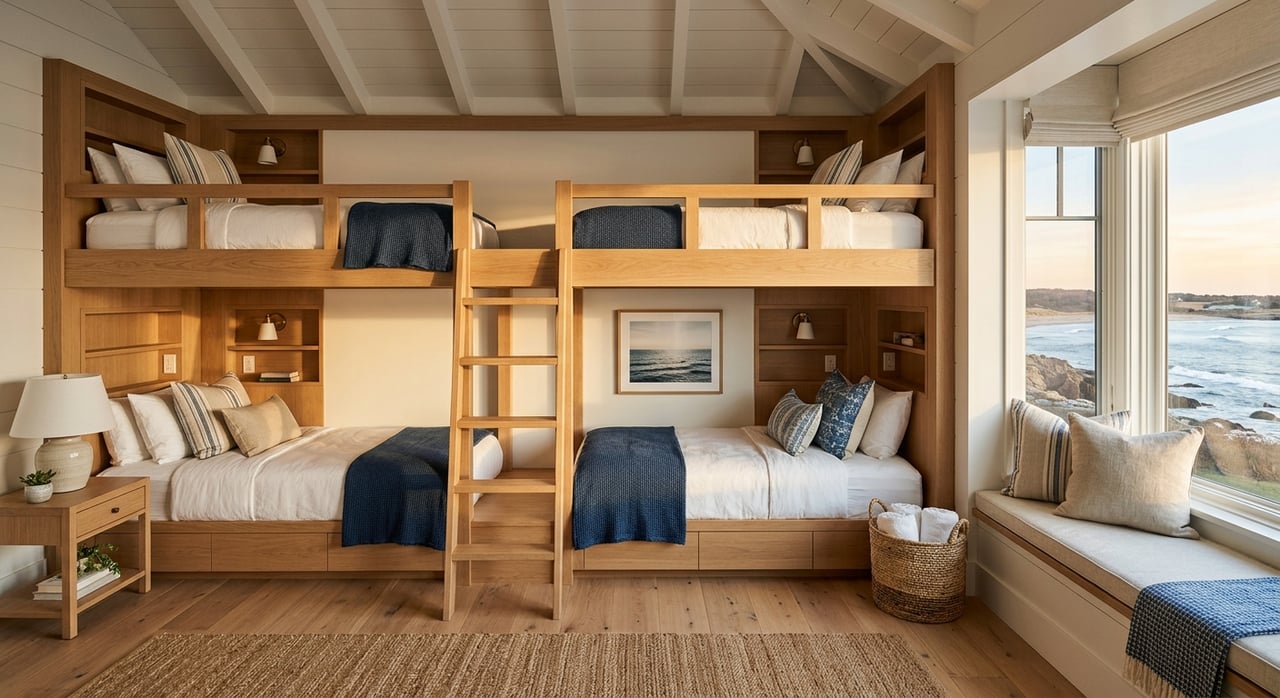
That means bedroom count and usable sleeping spaces should be planned carefully. Instead of trying to force extra capacity into awkward flex areas, it is usually more effective to create a clear primary suite, at least one guest room that works well for friends or children, and sleeping spaces that are honest, comfortable, and easy to present.
Add Convenient Bath Access
Beach guests tend to move in groups and on casual schedules. After a morning surf session or a day at the beach, easy bathroom access helps the home feel more comfortable and less chaotic.
If you are remodeling, think about where guests rinse off, change clothes, and leave sandy items. Even a well-placed powder room or an extra full bath near an entry can improve flow and reduce wear on the rest of the house.
Build In Arrival Space
In Malibu, arrival experience matters more than many owners expect. The city notes that parking issues are unusually acute because of beaches, fire zones, and visitor congestion, so a smooth arrival can become a real competitive advantage.
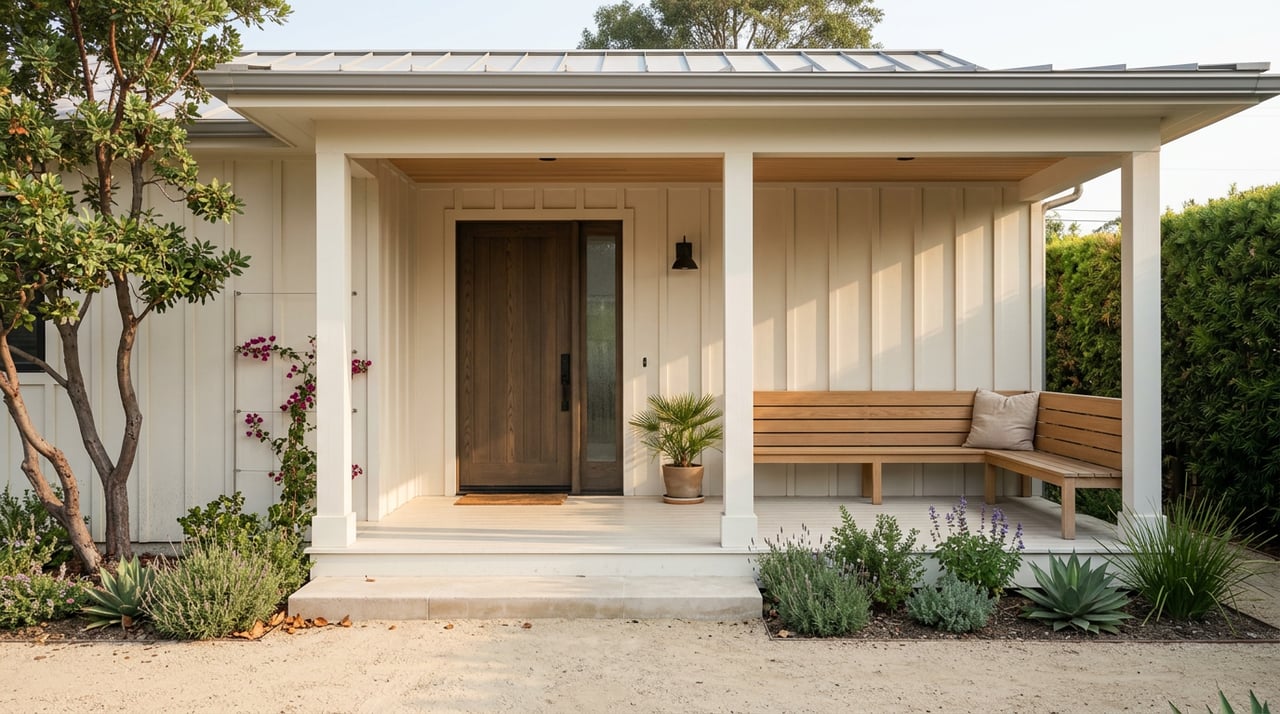
A simple, well-planned drop-off area, on-site parking, and a straightforward path from parking to entry can make the home feel instantly more welcoming. Inside, a bench, luggage zone, or mudroom-style storage area gives guests an obvious place for suitcases, strollers, or surf gear.
Focus on Amenities Guests Search For
Many rental guests begin with filters before they ever read a description. Airbnb says guests often search for features like wifi, free parking, heating or air conditioning, kitchen access, washer or dryer, self check-in, TV or cable, pool, hot tub, and BBQ grill.
That does not mean every Malibu property needs every amenity. It does mean your design should support the features most likely to matter to your target guest and price point.
Make Parking Easy
In Malibu, parking is not just a convenience feature. It can be one of the most valuable parts of the guest experience.
Because beach traffic and congestion are common, on-site parking can help your property stand out. If your lot allows it, clear striping, easy turnaround space, and a simple arrival route can make the home feel more organized and guest-ready.
Treat Laundry as a Must-Have
A beach rental without laundry creates friction fast. Wet towels, swimsuits, and sandy clothes pile up quickly, especially for longer stays.
A washer and dryer are among the amenities guests often want, and in Malibu they support the way people actually use the home. If possible, place laundry where guests can access it without crossing private areas or carrying wet items through the main living space.
Create Strong Indoor-Outdoor Flow
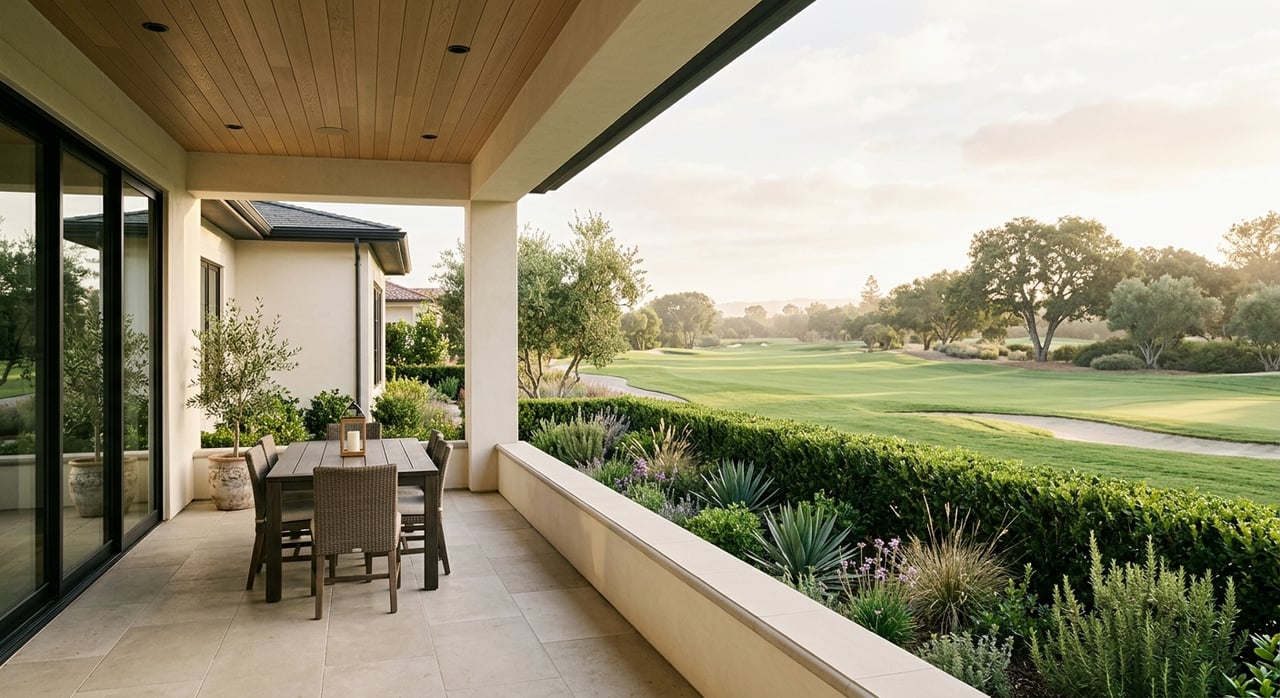
Malibu guests usually want to feel connected to the outdoors, even when they are inside. A design that opens easily to patios, decks, or lounge areas helps reinforce that coastal lifestyle.
Outdoor spaces should also be practical. Durable seating, storage for outdoor cushions, and surfaces that clean easily after wind, sand, or salt exposure can improve both guest experience and maintenance.
Consider a Private Grill Carefully
A private on-property grill can help a listing appeal to guests because it supports easy outdoor meals. At the same time, it is important to distinguish private home amenities from beach activities.
Malibu states that fires and barbecues are not allowed on beaches, so guests should not confuse a property’s outdoor cooking setup with beach use. If a grill is part of the home design, it should feel clearly private, easy to use, and easy to maintain.
Choose Materials That Hold Up
A Malibu beach home has to work harder than many inland properties. Salt air, moisture, sand, and frequent guest turnover can wear down finishes faster than owners expect.
That is why rental appeal is not only about what looks beautiful on day one. It is also about how the home performs after repeated use.
Use Corrosion-Resistant Details
FEMA coastal construction guidance notes that saltwater leaves crystalline salt that is corrosive, and that steel and masonry elements in coastal settings may need protective coatings or other corrosion-resistant detailing. In a Malibu beach home, that supports choosing hardware, fasteners, and exterior details that are better suited to coastal conditions.
For owners, this can mean fewer visible signs of wear and a more polished presentation over time. For guests, it helps the home feel cared for and consistent with its price point.
Pick Moisture-Tolerant Finishes
Wet feet, damp towels, and ocean air are part of beach living. Floors, walls, cabinetry finishes, and textiles should be selected with cleanup and moisture tolerance in mind.
Easy-clean surfaces can support both operations and appearance. They help you reset the home faster between stays and reduce the stress that comes with heavy seasonal use.
Add Smart Storage
A beautiful beach house can still feel frustrating if boards, chairs, umbrellas, and bags have nowhere to go. Built-in or concealed storage can make a major difference in both photos and real-life functionality.
Labeled owner storage and guest storage are especially helpful. Guests want simple access to what they need, while owners benefit from keeping supplies and personal items organized and protected.
Plan for Beach-Life Operations
Some of the best design choices are the ones guests notice only because everything feels easy. In Malibu, operational design can have a direct effect on reviews, maintenance, and repeat use.
Include a Rinse-Off Zone
An outdoor rinse station or shower makes sense for a beach-heavy property. It helps keep sand outside, supports cleaner interiors, and gives guests a natural transition point when they return from the beach.
This type of feature also pairs well with a bench, hooks, and a nearby laundry area. Together, those small details can make the home feel intentionally designed for Malibu use rather than generically staged.
Simplify Self Check-In
Guests often value self check-in, especially when arrival times vary with traffic. Your design should make the entry sequence simple, visible, and secure.
Good lighting, clear house numbers, and an uncluttered path to the front door can reduce confusion. In a market where guest expectations are high, smooth access helps set the tone right away.
Keep Water Use in Mind
Malibu’s short-term rental program notes that many homes rely on onsite wastewater treatment systems rather than traditional sewer systems. As of January 1, 2023, the city requires a valid onsite wastewater treatment system operating permit or an approved compliance agreement for short-term rental eligibility.
That makes water use an operational issue as well as a design issue. Fixtures, laundry planning, and guest instructions should support a home that runs efficiently without creating unnecessary strain on the system.
Design With Compliance in Mind
A Malibu rental property should not be designed in a vacuum. Local rules can affect occupancy, safety planning, remodeling, and whether the home can legally operate as a short-term rental at all.
Know the STR Permit Rules
Malibu requires a short-term rental permit for residential properties rented for 30 days or less. Operating without one can trigger a fine of $1,000 per day or twice the advertised daily rate, whichever is higher.
The city also requires key health and safety items, including smoke detectors, carbon monoxide detectors, fire extinguishers, a 24/7 owner or agent contact, and the city’s code of conduct posted by the entry. These are not small details, so they should be part of your planning from the start.
Account for Quiet Hours and Guest Conduct
Malibu’s short-term rental code of conduct sets quiet hours from 10 p.m. to 7 a.m. It also instructs guests to know evacuation zones and routes, park onsite whenever possible, and dispose of trash properly.
From a design standpoint, this supports choices that reduce friction with neighbors and help guests follow the rules. Clear signage, dedicated trash areas, onsite parking, and a calm outdoor layout can all support smoother operation.
Understand Event Limits
The city notes that events with 15 or more attendees may require a special event permit. That is important if you are tempted to design and market the home around entertaining capacity alone.
A better approach is to focus on comfortable daily use for approved occupancy. That usually leads to a more flexible property and a more durable guest experience.
Check Rules Before Remodeling
Malibu’s official pages say the hosted short-term rental ordinance remains in progress and cannot go into effect until the California Coastal Commission certifies the Local Coastal Program amendment. The city also notes that all development and activity in Malibu are subject to the Local Coastal Program.
Before you remodel, confirm current zoning, coastal review, onsite wastewater requirements, and short-term rental rules with the city and qualified professionals. In Malibu, location-specific details can change what is feasible from one property to the next.
Balance Luxury With Low Maintenance
The most appealing Malibu rental homes usually do two things well at once. They feel elevated enough for a premium beach stay, and they operate simply enough to hold up under real guest use.
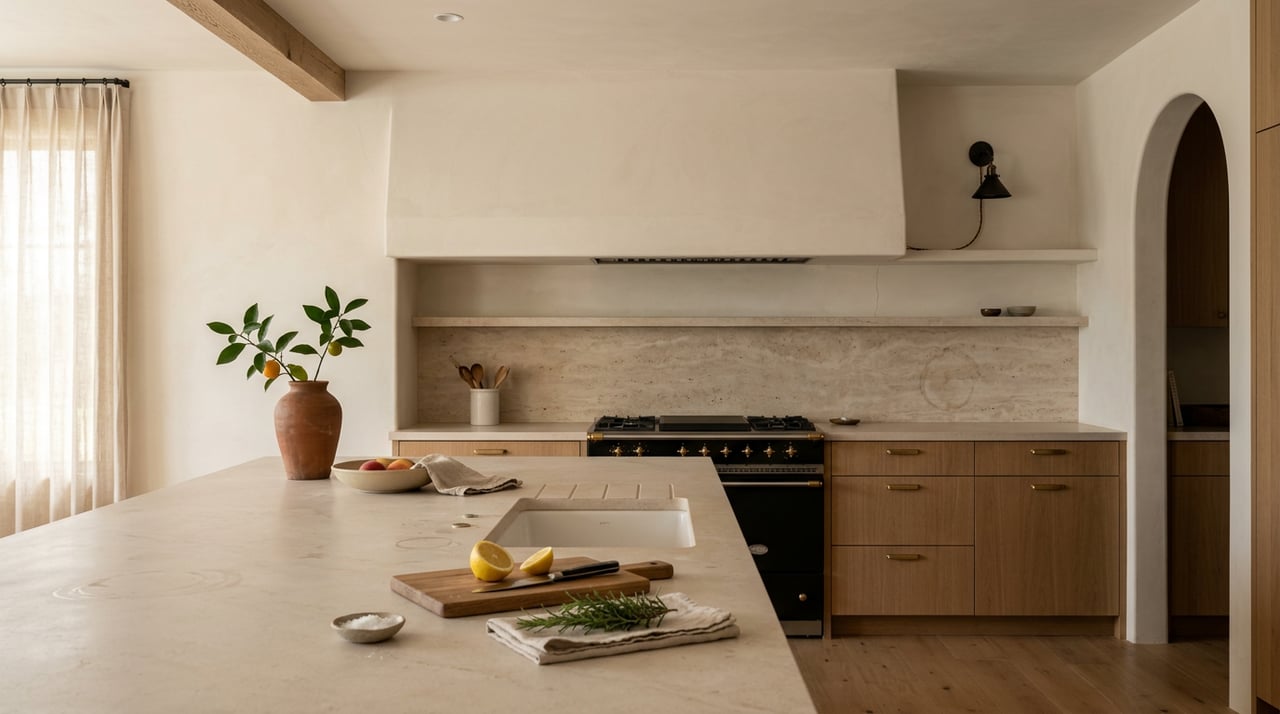
That balance can come from durable stone-look surfaces, performance fabrics, organized storage, and outdoor areas that feel polished without being fragile. In other words, the goal is not just luxury for photos. It is practical luxury that stays attractive over time.
Think Like a Guest and an Owner
When you evaluate a Malibu beach home for rental appeal, ask two questions. First, will guests instantly understand how to enjoy the property? Second, will the home be easy to maintain and operate within Malibu’s local rules?
If the answer to both is yes, you are usually on the right track. Smart layout choices, durable materials, strong arrival flow, and early compliance planning can help turn a beautiful beach house into a more effective income-producing asset.
If you are weighing a Malibu purchase, preparing a remodel, or thinking about how rental strategy affects resale value, Neeley Properties can help you evaluate the opportunity with a practical, investor-minded approach.
FAQs
What features matter most in a Malibu vacation rental home?
- The features that often matter most are on-site parking, clear sleeping arrangements, strong indoor-outdoor use, fast Wi-Fi, laundry, and durable low-maintenance finishes.
What is the short-term rental occupancy limit in Malibu?
- Malibu’s ordinance sets maximum occupancy at two people more than twice the number of bedrooms, with a cap of 14.
What permit is required for a Malibu home rented short term?
- A residential property rented for 30 days or less in Malibu requires a short-term rental permit from the city.
What is the penalty for operating a Malibu STR without a permit?
- The city says operating without the proper permit can trigger a fine of $1,000 per day or twice the advertised daily rate, whichever is higher.
What beach-use design features help a Malibu rental home?
- Helpful features can include an outdoor rinse station or shower, a bench or mudroom-style entry, concealed storage for beach gear, easy-clean surfaces, and a washer and dryer.
What tax applies to Malibu short-term rentals?
- Malibu says short-term rentals are subject to a 15 percent transient occupancy tax for stays of 30 days or less.
What should you verify before remodeling a Malibu rental property?
- You should confirm current zoning, coastal review requirements, onsite wastewater rules, and short-term rental regulations with the city and qualified professionals before starting work.