Are you torn between Malibu’s oceanfront magic and the quiet pull of its canyons? You’re not alone. Both settings offer stunning views and the Malibu lifestyle, yet they come with very different risks, rules, and costs. In this guide, you’ll learn the practical trade-offs, the regulatory landscape, and the due diligence steps to help you buy or sell with confidence. Let’s dive in.
Oceanfront living at a glance
Access and daily life
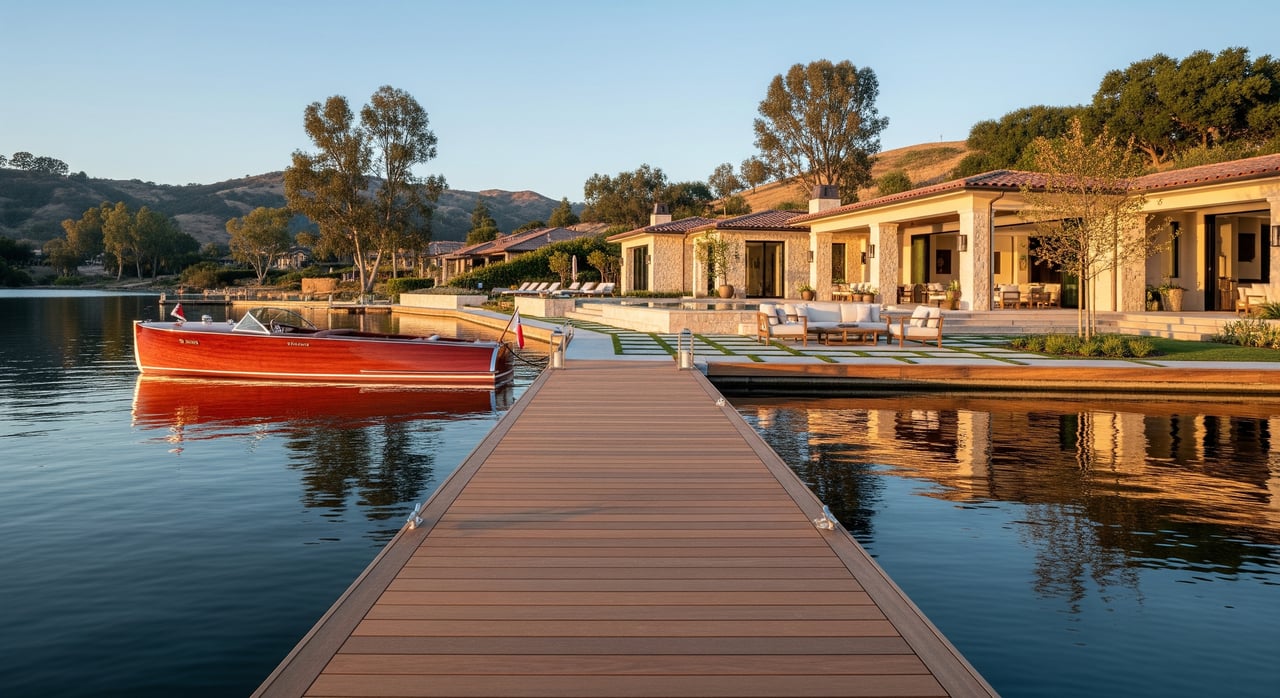
If you want the beach at your doorstep, oceanfront is unmatched. You get immediate access to sand or bluffside views, a coastal breeze, and a lifestyle centered on the water. Most daily trips rely on Pacific Coast Highway, which can slow down during peak times or when there are closures.
Seasonal tourism and beach activity can add energy and occasional noise. Parking and guest access may take planning, especially near popular stretches. If you value a walk-to-beach routine and sunset vistas, oceanfront fits that vision.
Price and resale
Oceanfront homes typically command the highest prices in Malibu. The buyer pool is strong for premium properties with direct beach access or panoramic views. Resale can be brisk at the top end, but value can be sensitive to the perception of erosion or sea level rise risks.
If you plan to hold long term, factor in how future buyers might weigh environmental exposures. Prestige and scarcity support value, while risk narratives can influence price and time on market.
Maintenance and upkeep
Salt air, humidity, and wind drive higher maintenance. Expect more frequent attention to exterior finishes, metal fasteners, window seals, and mechanical systems. If your home sits on a bluff, you may also need engineering assessments and potential protective measures.
Budget for short and long-term upkeep. Exterior painting, corrosion control, and HVAC replacements can add up faster than inland homes. Routine inspections help you spot issues before they become expensive.
Hazards and insurance
Oceanfront risk often centers on coastal erosion, bluff stability, wave action, and storm surge. Many oceanfront parcels fall in mapped FEMA flood zones, which can trigger flood insurance if you have a mortgage. You can review local flood designations through the FEMA Flood Map Service Center for context on mapped flood risk.
Long-term sea level rise is a factor for planning. Regional scenarios from the NOAA Sea Level Rise Viewer indicate measurable rise by mid-century in Southern California, with possible local impacts during storms and high tides. Insurers and lenders may request engineering studies that address bluff retreat and geologic stability.
- Explore FEMA Flood Map Service Center: FEMA flood zones
- Review long-term coastal scenarios: NOAA Sea Level Rise Viewer
Canyon living at a glance
Access and privacy
Canyon homes offer privacy, greenery, and mountain views. Streets are often quieter, and many locations feel more secluded than the beachfront. Depending on where you are, inland freeway access can be faster than from the coast.
Roads can be narrow and winding, which affects emergency access and daily commuting. If you value quiet, trees, and hiking trail proximity, canyons deliver that experience.
Price and variety
Canyon areas generally offer a wider range of price points and home types, from ranch-style to modern remodels and even raw land. Larger lots and acreage are more common. Buyers who prioritize space, privacy, and lower price per square foot often focus here.
Marketability can depend on road access, slope conditions, and perceived wildfire exposure. Properties with better egress and solid geotechnical history tend to appeal to a broader buyer pool.
Maintenance focus
Canyon living shifts maintenance to fuel management, drainage, and access. You will likely invest in defensible space, brush clearance, and slope or driveway upkeep. Septic systems are common in some canyon pockets, which means ongoing inspection and maintenance.
After heavy rains or wildfire seasons, you may need to reassess drainage, retaining walls, and erosion control. Proactive care helps protect structures and keeps your property compliant with local requirements.
Hazards and insurance
Wildfire is the headline risk. Malibu canyons frequently sit in high or very high fire hazard severity zones. Regulations often require defensible space, ember-resistant vents, and other fire-hardening features. You can review statewide maps and fire-safe guidance through Cal Fire, and check local resources through the Los Angeles County Fire Department.
Post-fire debris flows, mudslides, and slope movement are additional concerns. In steep terrain, landslide susceptibility is a known issue, and targeted engineering can be essential for hillside stability.
- Fire hazard zones and defensible space: Cal Fire
- Local fire resources: LA County Fire Department
- Landslide and debris flow science: USGS Landslide Hazards
Rules that shape projects
Coastal permits and bluff rules
Oceanfront development and many significant remodels fall under the California Coastal Act. In Malibu’s Coastal Zone, you may need a Coastal Development Permit, geotechnical reports, bluff-retreat analyses, and other site-specific studies. The California Coastal Commission and the local coastal program guide these decisions and can impose bluff setbacks or limit shoreline armoring.
- Coastal permitting and LCPs: California Coastal Commission
Wildfire and hillside rules
Canyon properties often involve hillside grading limits, tree protections, and biological resource reviews. Fire-safe building standards and defensible space requirements are common. Los Angeles County Planning provides code guidance on grading, tree removal permits, and related environmental reviews.
- Hillside and environmental guidance: LA County Planning
Access, easements, and private roads
Canyon neighborhoods may rely on private roads, shared driveways, or recorded easements. Confirm legal access, road maintenance responsibilities, and emergency turnarounds. Access conditions can affect insurance, lender approval, and appraisal.
Short-term rental context
Short-term rentals can be attractive for some buyers, especially near the coast. Local rules and HOA policies often limit or regulate STRs, including parking and occupancy. Confirm what is allowed before you underwrite any income assumptions.
Costs to expect
Upfront price and appraisal
Oceanfront properties carry a premium for direct access and views. Appraisals can be complex because true oceanfront comparables are scarce. Lenders may require additional engineering for blufftop homes.
Canyon properties may appraise more smoothly if there are many local comps, but issues like single-road access, slope instability, or recent fire activity can lead to underwriting questions and valuation adjustments.
Ongoing ownership by setting
- Oceanfront: corrosion control, frequent exterior upkeep, potential coastal engineering, and higher property management if used seasonally.
- Canyon: brush clearance, defensible space, drainage and slope care, septic upkeep where applicable, and private road assessments.
Insurance and financing
Expect higher premiums in both environments when exposure is recognized. Canyon homes may face wildfire-related non-renewals or stricter underwriting. The California Department of Insurance provides consumer guidance, and the California FAIR Plan can be a last-resort option when standard coverage is unavailable.
- Insurance and FAIR Plan information: California Department of Insurance
Due diligence checklist
Title and legal clarity
- Confirm legal access and recorded easements.
- Review any prior coastal permits or enforcement actions.
- Check CC&Rs and HOA rules for vegetation management and rental restrictions.
Site and hazard investigations
- Geotechnical report: required for many blufftop or coastal projects and recommended for canyon hillsides.
- Bluff-retreat and coastal hazard study: assess short and long-term stability and setbacks.
- Wildfire assessment: defensible space, ember exposure, roof and vent conditions, and fire apparatus access.
- Slope and drainage study: verify cut-and-fill stability, retaining walls, and runoff paths.
- Septic inspection and capacity: confirm system status and compliance with health codes.
- Termite and pest inspection: important in both coastal and canyon environments.
- Structural and foundation review: especially on sloped sites.
Insurance and financing checks
- Obtain preliminary quotes for homeowners, wildfire, flood, and earthquake insurance.
- Confirm lender requirements, such as elevation certificates for flood zones or engineering letters for bluffs.
- Ask about special underwriting conditions tied to wildfire mitigation or access.
Emergency readiness
- Map your evacuation routes and understand PCH dependencies for oceanfront areas.
- Verify road width, turnarounds, and water sources in canyons.
- Ask neighbors or local officials about historical outages, closures, and response times.
Long-term planning questions
- Ask about shoreline protection plans, road and utility upgrades, and any planned land use changes.
- If you plan to remodel, align early with coastal, building, and environmental review timelines.
Which setting fits your goals
Choose oceanfront if you want
- Daily beach access and uninterrupted ocean views.
- High-prestige property with strong lifestyle appeal.
- Comfort budgeting for coastal maintenance and potential engineering.
- Willingness to navigate coastal permitting and flood insurance where required.
Choose canyon if you want
- Greater privacy, trees, and mountain vistas.
- A wider range of price points and lot sizes.
- Acceptance of wildfire mitigation, brush work, and slope care.
- Quieter streets and potential for quicker inland access.
A practical next step
If you are unsure, compare two or three target homes side by side. Weigh access, insurance, maintenance, and regulatory path, not just list price. If rental income is part of your plan, validate rules first, then model your numbers with realistic maintenance and insurance costs.
Ready to explore Malibu’s options with a clear plan? Reach out to Neeley Properties for tailored guidance, data-backed pricing, and a due diligence roadmap that fits your goals.
FAQs
How risky is Malibu bluff erosion for oceanfront homes?
- Bluff retreat and wave action are real considerations, and future sea level rise can add pressure. Expect geotechnical and bluff-retreat studies for permits, guided by the California Coastal Commission and informed by NOAA sea level rise scenarios.
What should Malibu canyon buyers know about wildfire insurance?
- Many canyon areas fall in high or very high fire hazard zones per Cal Fire. Insurers may require mitigation or decline coverage, and the California Department of Insurance offers guidance and FAIR Plan information.
Can you finance Malibu homes in high-risk zones?
- Yes, but lenders often add conditions. Expect requests for engineering reports on bluffs, evidence of insurability, and good access. Some hillside properties may need slope stability documentation.
How does flood insurance work for Malibu oceanfront properties?
- If a home is in a FEMA Special Flood Hazard Area and you use a regulated lender, flood insurance is typically required. Check mapped zones on the FEMA Flood Map Service Center and ask about elevation certificates.
Which inspections are essential for Malibu canyon homes?
- Prioritize wildfire assessments, slope and drainage studies, septic inspections where applicable, termite reports, and a structural review on sloped sites. A geotechnical evaluation is recommended for hillside purchases.
Are short-term rentals allowed for Malibu homes?
- Short-term rentals are subject to local rules and HOA policies. Verify what is allowed for the specific property before assuming any rental income or occupancy plan.